
Prebiotic Fibers Concept
Prebiotic fibers represent a dietary component category that supports the environment for beneficial gut bacteria. Understanding this concept helps illustrate the complex relationship between diet and the intestinal microbiome.
Understanding Fiber and Prebiotics
Dietary fiber encompasses plant-based carbohydrates that the human body cannot fully digest. A subset of these fibers—prebiotics—selectively stimulates the growth of beneficial bacteria in the colon.
The distinction between general fiber and specific prebiotics reflects evolving understanding of gut microbiology:
- General Fiber: Indigestible plant carbohydrates
- Prebiotic Fibers: Specific fibers that selectively feed beneficial bacteria
- Common Prebiotic Types: Inulin, oligofructose, fructooligosaccharides (FOS)
This distinction helps explain why fiber diversity in foods—rather than quantity alone—supports healthy gut flora.
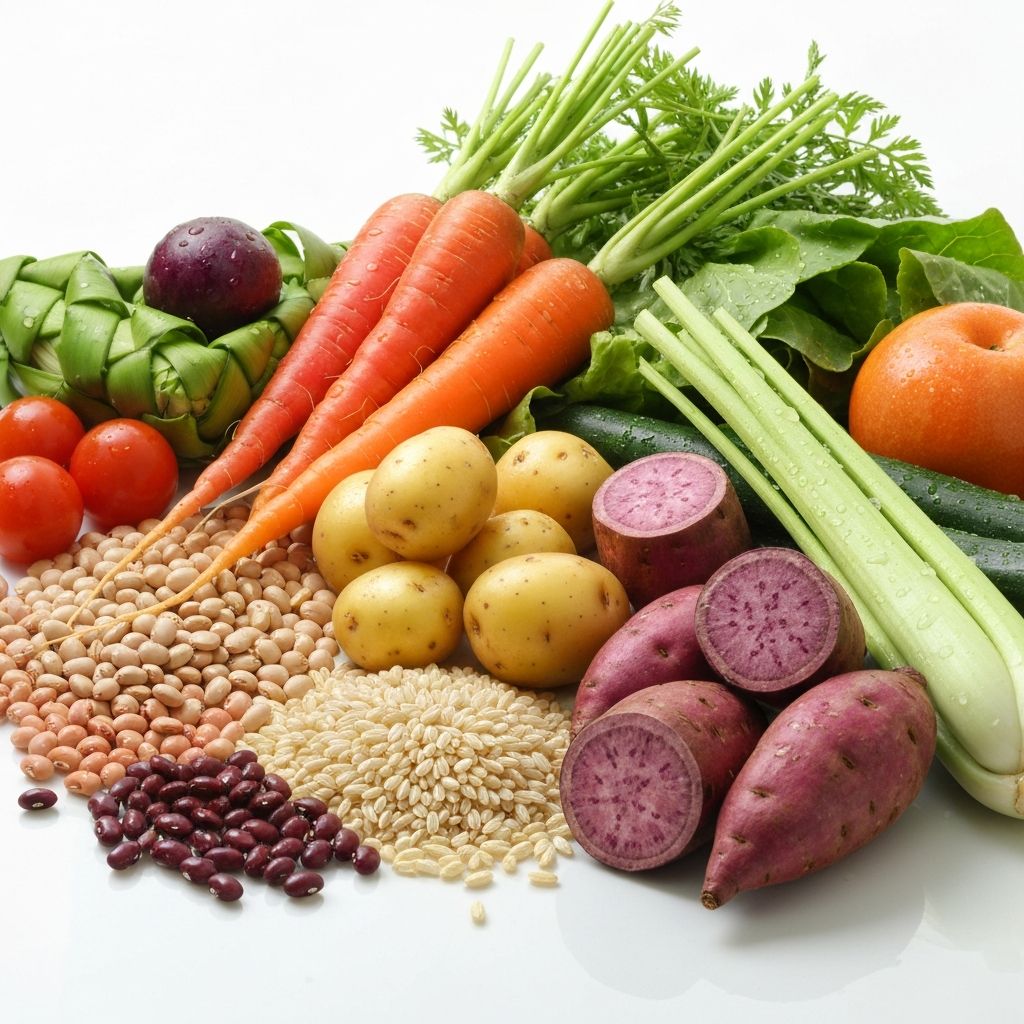
Natural Sources of Prebiotic Fibers
| Food Source | Prebiotic Type | Culinary Use |
|---|---|---|
| Chicory Root | Inulin (high concentration) | Extracted for use in products; sometimes used as roasted beverage |
| Onions | Inulin and FOS | Staple vegetable in global cuisines |
| Garlic | Inulin | Flavor base in countless dishes |
| Asparagus | Inulin and FOS | Vegetable course in many cuisines |
| Bananas (especially less ripe) | Resistant starch and oligofructose | Common fruit consumed globally |
| Leeks | Inulin | Vegetable base in soups and preparations |
| Artichokes | Inulin | Specialty vegetable in Mediterranean cuisines |
| Jicama | Inulin | Root vegetable in Latin American cuisines |
| Whole Grains | Mixed fibers | Staple carbohydrate sources globally |
| Legumes | Oligosaccharides and fiber | Protein staples in many diets |
Role in Supporting Gut Flora
The human colon contains trillions of microorganisms that form an established ecosystem. Prebiotic fibers influence this environment by:
- Providing selective substrate for beneficial bacteria like Bifidobacteria and Lactobacillus
- Being fermented by these bacteria, producing short-chain fatty acids (butyrate, propionate, acetate)
- Supporting the pH balance that favors beneficial bacterial species
- Competing with pathogenic bacteria for resources
This mechanism—supported by substantial scientific documentation—explains prebiotics' place in contemporary nutritional discussions and dietary recommendations.
Integration into Balanced Eating
Prebiotic fiber sources integrate naturally into everyday eating patterns across global cuisines:
- Mediterranean patterns: Artichokes, onions, garlic in regular preparations
- Asian cuisines: Garlic, onions, and legumes in staple dishes
- Latin American foods: Beans, jicama, and traditional vegetables
- African traditions: Legumes and local root vegetables
- European patterns: Asparagus, leeks, whole grains historically present
Limitations and Context
About This Information
This page provides educational information about prebiotic fibers and their role in nutrition. It:
- Describes established scientific understanding of gut microbiota and fiber function
- Does not constitute medical advice or personal recommendations
- Does not suggest therapeutic outcomes or health promises related to prebiotic intake
- Recognizes that individual responses to fiber vary based on digestive health and microbiota composition
- Does not replace professional consultation for digestive concerns or medical conditions
For specific questions about fiber intake, digestive health, or microbiota-related concerns, consult with a healthcare professional.